



As June 30 approaches, South Africa has become the center of one of the continent’s most talked-about issues. Growing anti-immigration sentiment, fears of possible unrest, and concerns over the safety of foreign nationals have sparked debates both within South Africa and across Africa.
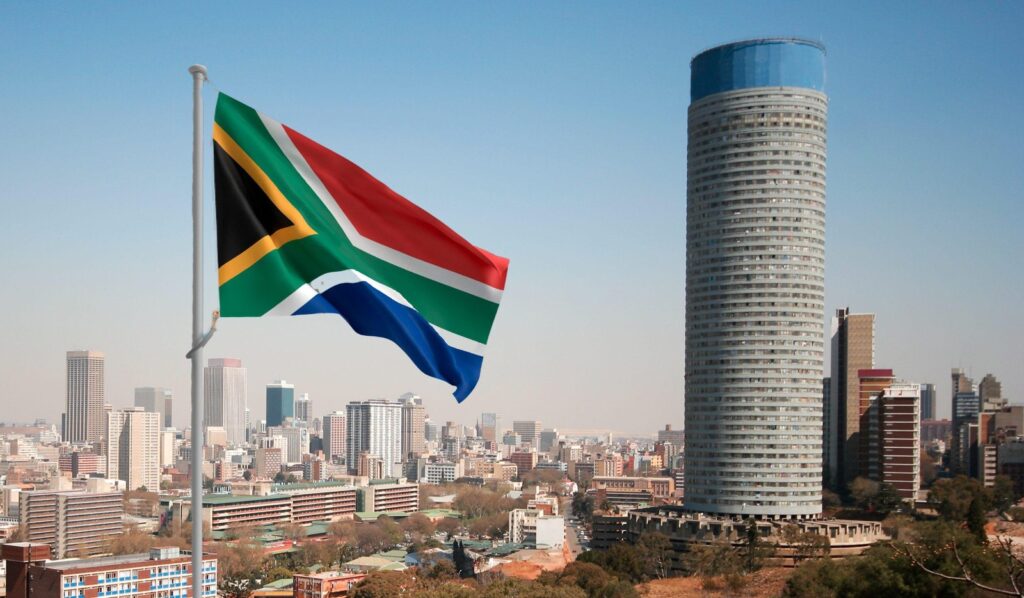
In recent weeks, social media has been flooded with discussions surrounding a June 30 deadline allegedly demanding that undocumented foreigners leave South Africa. The issue has generated anxiety among migrant communities and prompted governments in neighboring countries to closely monitor developments.
Although many people are treating June 30 as an official deadline, South African authorities have made it clear that no such government order exists. Nevertheless, the growing tensions have raised concerns over what could happen as the date approaches.
So, what exactly is South Africa’s June 30 immigration saga, and why is it attracting so much international attention?
What Is the June 30 Immigration Saga?
The June 30 immigration saga refers to calls made by anti-immigration groups and activists demanding that undocumented foreign nationals leave South Africa by the end of June.

Contrary to rumors circulating online, the deadline is not an official order from the South African government. Rather, it has been promoted by organizations and movements that believe illegal immigration is worsening unemployment, crime, and pressure on public services.
Supporters of stricter immigration policies argue that undocumented migrants compete with citizens for jobs and contribute to social challenges. Critics, however, argue that migrants are being unfairly blamed for deeper economic and political problems.
The debate has exposed divisions within South African society and reignited conversations surrounding immigration policies and national identity.
Why Has Immigration Become Such a Sensitive Issue?
South Africa remains one of Africa’s largest and most developed economies. For decades, it has attracted people from different countries seeking employment and better opportunities.
Migrants from Zimbabwe, Nigeria, Mozambique, Malawi, Ethiopia, Somalia, Ghana, and the Democratic Republic of Congo have established communities throughout South Africa.

However, the country itself faces serious economic difficulties, including:
- High unemployment rates.
- Rising food and fuel prices.
- Widespread poverty.
- Inequality.
- Frequent electricity shortages.
- High levels of crime.
- Slow economic growth.
Many frustrated citizens believe illegal immigration worsens these problems by increasing competition for jobs and public resources.
Others argue that corruption, poor governance, and long-standing structural issues are the real causes of South Africa’s economic struggles.
This disagreement has made immigration one of the country’s most controversial subjects.
Understanding South Africa’s History of Xenophobia
The current tensions did not emerge overnight.
South Africa has witnessed several outbreaks of xenophobic violence over the past two decades. One of the worst episodes occurred in 2008 when attacks against foreign nationals spread across parts of the country, leaving more than sixty people dead and thousands displaced.
Violence erupted again in 2015 and 2019, with many foreign-owned businesses being looted and destroyed.
Victims were largely migrants from other African countries, particularly Zimbabwe, Mozambique, Malawi, Nigeria, Ethiopia, and Somalia.
These incidents attracted condemnation from international organizations and strained diplomatic relations between South Africa and some of its neighbors.
Human rights groups have repeatedly warned that unemployment, poverty, misinformation, and social frustrations can easily fuel hostility against migrants.
While many South Africans reject xenophobia and support peaceful coexistence, previous incidents demonstrate how quickly tensions can escalate.
What Is Driving the Current Anger?
Several factors have contributed to growing frustrations among some South Africans.
Unemployment
South Africa has one of the highest unemployment rates in the world. Many citizens struggle to find jobs and believe undocumented migrants are increasing competition in the labor market.
Crime
Some activists and political groups argue that illegal immigration contributes to crime. However, experts caution against blaming migrants collectively for criminal activities.
Pressure on Public Services
Healthcare facilities, schools, and housing programs are under pressure in many communities. Critics of illegal immigration believe undocumented foreigners place additional burdens on already strained resources.
Economic Hardship
Years of slow growth, inflation, and rising living costs have left many citizens frustrated. Economic difficulties often create an environment where migrants become easy targets for blame.
Social Media Influence
Videos and rumors spread rapidly online, sometimes exaggerating events or spreading false information. This has intensified emotions and increased fears among both citizens and migrants.
Reports of Protests and Rising Anxiety
As June 30 approaches, reports of demonstrations and anti-migrant rhetoric have increased concerns.
Many foreign nationals have become anxious about their safety. Some families are reportedly considering leaving South Africa temporarily, while others are avoiding public gatherings.
Community organizations, churches, and civil society groups have urged calm and called for peaceful dialogue.
Security agencies have increased surveillance and deployed officers to prevent violence and maintain order.
Authorities have warned that anyone engaging in attacks, looting, or intimidation will face legal consequences.
Many analysts believe increased security measures could help prevent widespread unrest.
President Ramaphosa’s Response
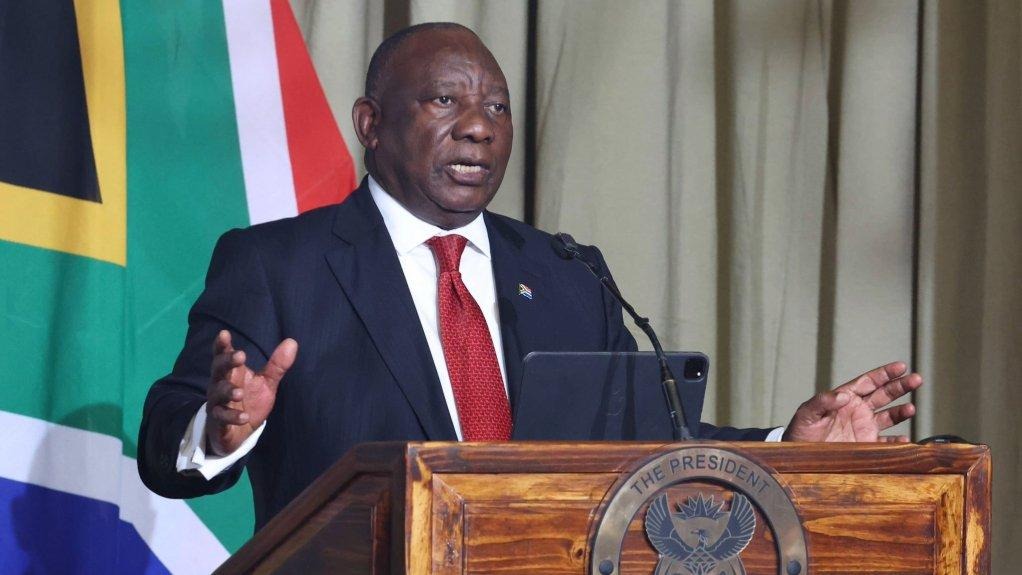
President Cyril Ramaphosa has publicly condemned xenophobia and warned against vigilantism.
He emphasized that concerns surrounding illegal immigration should be addressed through legal institutions and not through violence or threats.
According to the president, no private group has the authority to issue ultimatums or force migrants out of the country.
Ramaphosa has also argued that South Africa’s challenges cannot simply be blamed on foreigners.
Government officials have reaffirmed their commitment to enforcing immigration laws while respecting constitutional rights and maintaining social stability.
Neighboring Countries Are Watching Closely
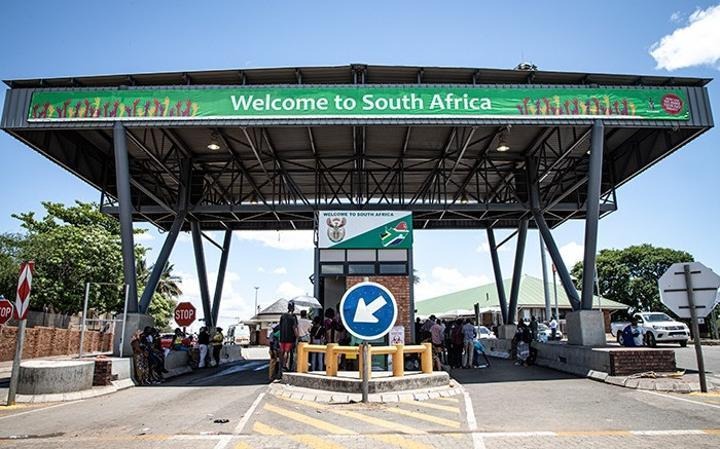
The developments have drawn attention across Africa because millions of migrants live and work in South Africa.
Countries such as Nigeria, Zimbabwe, Malawi, Mozambique, Ghana, and the Democratic Republic of Congo have monitored the situation closely.
Some governments have advised citizens living in South Africa to remain vigilant and avoid areas experiencing unrest.
Diplomatic discussions have intensified as leaders seek to protect citizens abroad and maintain good relations with South Africa.
Because South Africa is one of Africa’s most influential economies, instability there often affects neighboring countries and the wider region.
The Economic Importance of Migrants
Despite the controversies, migrants play important roles in South Africa’s economy.
Foreign nationals work in sectors such as:
- Agriculture.
- Mining.
- Construction.
- Transportation.
- Hospitality.
- Retail.
- Domestic services.
Thousands also own businesses that create jobs and contribute to local economies.
Economists argue that migrants contribute significantly to economic activity and that unemployment cannot be blamed solely on immigration.
Many experts believe South Africa’s economic challenges require broader reforms rather than simple solutions.
Social Media and Misinformation
Social media has played a major role in shaping public perceptions surrounding the June 30 issue.
Videos, images, and rumors have circulated widely across platforms such as Facebook, TikTok, and X.
Unfortunately, not all information shared online is accurate.
Fact-checkers have clarified that the June 30 deadline is not a government directive and that several viral claims exaggerate events.
Authorities have urged the public to verify information through reliable sources and avoid spreading misinformation that could inflame tensions.
What Could Happen After June 30?
Several possible scenarios remain.
Peaceful Outcome
Security agencies and community leaders could successfully prevent violence, allowing tensions to gradually ease.
Increased Protests
Anti-immigration groups may continue organizing demonstrations and pushing for stricter policies.
Government Crackdowns
Authorities may intensify operations aimed at identifying and deporting undocumented migrants through legal channels.
Diplomatic Tensions
Any attacks on foreign nationals could affect South Africa’s relations with neighboring countries and attract international criticism.
Economic Consequences
Prolonged instability could discourage investment and hurt businesses across the country.
At present, no one can predict with certainty how events will unfold.
Why the Issue Matters Beyond South Africa
The June 30 immigration saga reflects broader global challenges involving migration, unemployment, and economic inequality.
Many countries around the world face similar debates over border control, jobs, and social cohesion.
The situation also highlights the importance of balancing national security concerns with respect for human rights and the rule of law.
As African economies become increasingly interconnected, instability in one country can have ripple effects throughout the continent.
Final Thoughts
South Africa’s June 30 immigration saga is about much more than a date on the calendar.
It reflects years of economic frustration, unemployment, political debates, and growing concerns surrounding immigration.
While concerns over illegal migration are genuine issues that governments must address, many leaders and organizations argue that solutions should be pursued through lawful and peaceful means rather than violence or division.
As June 30 approaches, millions of people across Africa will be watching closely.
Whether the day passes peacefully or triggers new tensions, one thing remains clear: the conversation surrounding immigration, economic opportunity, and social cohesion in South Africa is far from over.
The events unfolding today may shape policies and debates not only in South Africa but across the African continent for years to come.